

Snakebite Envenoming: The Many Neglects of a Neglected Tropical Disease
This is a conversation on the challenges of snake bite envenomation both in clinical care and as a public health problem. The participants in the conversation are Dr Sayantan Banerjee, Additional Professor, Clinical Microbiologist and Infectious Diseases physician at AIIMS Kalyani, West Bengal, and Dr Yogesh Jain, Dr T. Sundararaman with support from Dr. Gayatri Saberwal and Dr Arun Krishna.
TS: Let us begin with an overview of the burden of snakebites and its consequences. With high levels of urbanisation, is the incidence declining? Are we seeing less of the problem, or is snakebite still a major public-health issue?
SB: Snakebite is not a rare accident; it is a major rural public-health emergency. Globally, WHO estimates that 4.5 to 5.4 million people are bitten by snakes every year, 1.8 to 2.7 million develop clinical envenoming, and about 81,000 to 138,000 people die annually.
India carries the largest known national burden. The Million Death Study estimated approximately 45,900 snakebite deaths in India in 2005. A later nationally representative analysis estimated around 1.2 million deaths during 2000-2019, averaging about 58,000 deaths per year. More than a quarter of these deaths occurred among children below 15 years, and nearly half occurred among adults aged 30-69 years. That means a very large proportion of snakebite mortality is premature mortality among people who have not yet lived out their full lives.
The consequences are not only deaths. Viper envenoming can cause local tissue necrosis, amputations, bleeding, shock and acute kidney injury. Some patients require prolonged renal support and may have residual renal dysfunction even after survival. Cobra and krait bites can cause neuroparalysis and death from respiratory failure if ventilation is not available. There is also psychological trauma and a serious economic shock to families, particularly when the victim is the sole earning member. So snakebite remains large, undercounted, seasonal and poverty-linked.
Routine reporting still captures only a small fraction of the burden. The Government of India has advised States and Union Territories to declare snakebite cases and deaths notifiable, and IDSP-IHIP now provides a national reporting route. However, as per the Lok Sabha reply of 30 March 2026, eight states – Karnataka, Tamil Nadu, Meghalaya, Nagaland, Tripura, Kerala, Maharashtra and Odisha – had declared snakebite cases and deaths notifiable. Reported deaths through IDSP-IHIP were 183 in 2023, 370 in 2024 and 431 in 2025. These numbers show that surveillance has begun, but they are far below the mortality estimated by nationally representative mortality studies.
TS: Are these numbers going up or declining?
SB: It is difficult to say with confidence because under-reporting is still very high. Some modelled global estimates suggest declines in age-standardised snakebite mortality, but Indian mortality data do not yet allow us to say that the problem is decreasing. In addition, climate change may shift snake distributions and human-snake contact patterns. Warmer conditions can increase snake activity, flooding can displace snakes from burrows into houses or shelters, and suitable habitats may shift into new areas. So, we must be cautious: the burden remains high, and the risk map may change.
YJ: If I may add: in many rural districts we still do not know the true burden or the extent of under-reporting. In rural central India, for example, one sees a steady pattern of preventable deaths every year. The figure of 58,000 deaths has become widely cited because it comes from one of the few mortality studies that records this, though there were limitations in even in this data. What we need is not only notification, but better mortality and morbidity statistics, community reporting, verbal autopsy and health-system accountability.
TS: The lack of data is one problem. I respect the spirit behind the strong advocacy for making snake bite a notified disease. However, in my view, disease notification has other objectives, and is unlikely to help much for this purpose. The emphasis should remain on better mortality and morbidity statistics, which includes collecting data from private sector and mechanisms for community reporting.But that is another discussion.
Coming to clinical care: how adequate are our protocols, and how reliable and effective is anti-snake venom? What is our current biomedical ability to manage snakebite envenoming where social barriers are not the main constraint?
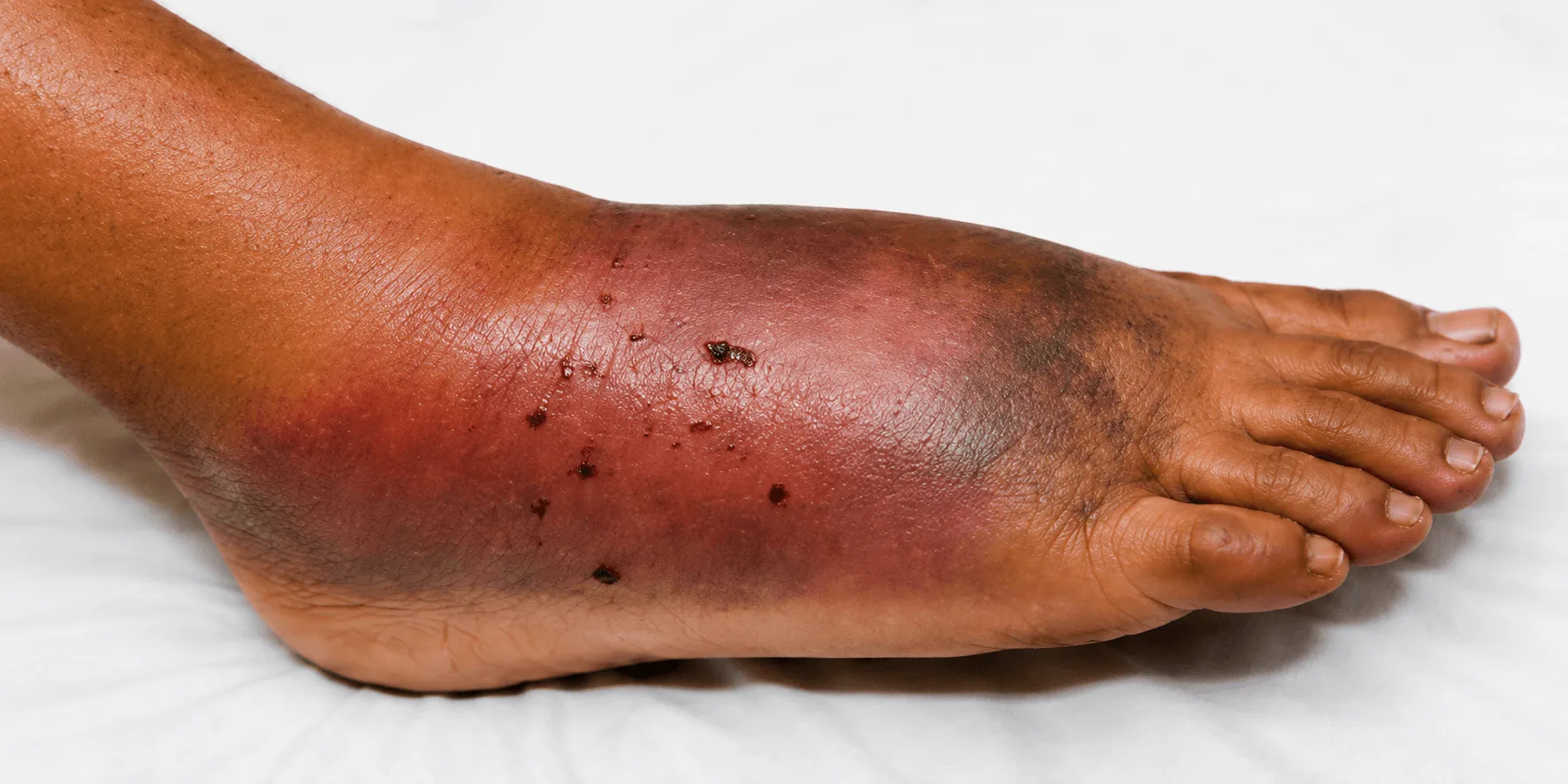
SB: Many doctors are under-trained in snakebite recognition and emergency management because the subject receives limited emphasis in undergraduate, postgraduate and emergency-medicine training. Some doctors learn by exposure during medicine postings, but many are not trained to pick up early or atypical presentations, particularly when the patient has not seen the snake.
This is critical for krait bites. Kraits may bite at night and the bite can be painless or unnoticed. Patients may present early in the morning with abdominal pain, chest discomfort, neck pain, drooping eye-lids, weakness of facial muscles or of swallowing, breathlessness or frothing. Recognising this syndrome is not difficult once one has seen it, but the index of suspicion is often low at the primary-care level.
The second problem is biological diversity and the limits of our current anti-snake venom, or ASV. India has medically important vipers, cobras, kraits, pit vipers and sea snakes. Vipers such as Russell’s viper and saw-scaled viper cause haemotoxicity (i.e affect the blood), bleeding, shock, tissue injury and kidney injury. Pit vipers can cause severe local swelling and difficulty in blood clotting abnormalities; they may be less rapidly fatal than krait/cobra neuroparalysis or Russell’s viper envenoming, but serious morbidity and occasional deaths can occur. Cobras and kraits are mainly neurotoxic and can paralyse respiratory muscles. India has spectacled cobra, monocled cobra and king cobra; common krait, banded krait, black kraits, Wall’s krait (Bungarus wallii) and other Bungarus species; and also sea snakes.
The currently available Indian polyvalent ASV is raised mainly against the so-called Big Four: spectacled cobra (Naja naja), common krait (Bungarus caeruleus), Russell’s viper (Daboia russelii) and saw-scaled viper (Echis carinatus). It is life-saving and must remain the first specific therapy where indicated, but it is not a universal Indian antivenom. Published studies show that several medically important non-Big Four snakes have poor neutralisation with current commercial ASV.
This matters particularly in Eastern and North-Eastern India, where monocled cobra (Naja kaouthia), banded krait, black kraits, Wall’s krait and several pit vipers are important. In the north-west, Sochurek’s saw-scaled viper (Echis carinatus sochureki) has also been reported as a clinically important problem. Non-venomous wolf snakes, which are Lycodon species, are often mistaken for kraits and create panic and unnecessary ASV use; they should not be confused with true kraits.
A closely related problem is geographical venom variation. The venom of the same species can differ across regions. This has been shown for Indian spectacled cobra and Russell’s viper, with implications for antivenom efficacy. Therefore, a national Big Four-based ASV cannot be assumed to neutralise all regional venoms equally well. The National Action Plan for Control of Snakebite Envenoming (NAPSE) has recognised the need for stronger recognition of the prevalent venomous snakes in a region, and ensuring that that this leads to an antivenom strategy that is adapted to regional variations.
There are also system problems. ASV is sometimes unavailable or inadequately stocked. Clinicians may hesitate to administer adequate doses before referral, especially if they fear adverse reactions and do not have airway support. During referral, if ambulances are not equipped to maintain airway and ventilation, neurotoxic patients can die in transit. For viper bites, delayed adequate neutralisation allows venom to cause kidney injury, coagulopathy and tissue damage that ASV may not fully reverse later. The message is simple: ASV is essential, but airway support, ventilation, dialysis, blood products, wound care and referral systems decide outcomes.
On ASV quality, there are concerns about batch-to-batch potency, purity, cold-chain maintenance and thermolability, especially when liquid formulations are transported to peripheral facilities. However, claims about contaminants or low purity should ideally be supported by transparent published or regulatory assessments. We should therefore frame quality as a serious policy and regulatory concern that needs open, rigorous evaluation.
YJ: Let me summarise. Current polyvalent ASV is essential, but a substantial and not precisely quantified proportion of clinically important envenomings in some regions may be sub-optimally covered by a Big Four-based product. This is why region-specific and better quality-assured antivenoms, which in all probability will require new technologies, are needed. The current routine supply is dominated by private manufacturers. The Government of India does not appear to have a strong public-sector routine ASV manufacturing role at present.
SB: Public-sector biologics institutions historically played an important role, but their role in routine ASV supply has diminished. Some public facilities have faced challenges related to venom sourcing, serpentarium requirements, GMP compliance and modernisation. [GMP= Good Manufacturing Practices: refers to a set of international standards defined by WHO or quality assurance in manufacture of medicines]. I would not overstate any single reason without official data. The broader policy point is that India needs publicly financed and administered capacity for regional venom banks, antivenom research, transparent quality assurance and possibly public or public-private manufacturing capacity.
YJ: Just to add one more angle: The six companies that make anti-venom in India, are also marketing these anti-venoms to 16 African countries, where the venoms are likely to be completely different. The rates are affordable for people there. But they are unlikely to work in those (local) venoms, unless of course they have been explicitly tested for and proven.
TS: So there seem to be at least three problems: Big Four coverage gaps, geographical venom variation and quality or supply-chain concerns. Also, public-sector manufacture has weakened and now ceased, and private-sector manufacture follows market incentives- and these do not necessarily match with public priorities. We are not able to enforce either innovation, production or quality according to requirements. In this context, the closure of many public sector manufacture units, on grounds of failure to meet GMP (Good Manufacturing Practices) standards is also worrying. The purpose would have been better served if public sector manufacture and provisioning were brought under the essential services maintenance policy framework, with government managers held accountable to ensure uninterrupted quality manufacture and supply. Closure should not be an option.
But to move to the next issue- What are the inherent problems with the horse immunoglobulin route?
SB: Basically, there are three issues with the conventional equine anti-venom. The first is the continuous requirement of venom You have to continually inject the horse with fresh venom. Extracting venom is a very high-risk job. You have to have a serpentarium, you have to continuously milk the snake for venom, and that’s very dangerous- more so in some snakes: for example, a krait gives very little venom, the fangs are small. So, handling is very difficult. That is one issue.
Second, the horses. There has been a very viral video produced by PETA, showing the pathetic condition of the horses which are used for the anti-snake venom production. They have big ulcers, and damage to the skins and the eyes and face. They’re big ulcers because of the combined viper venom injection. Plus, they are bled, and in most of the setups, we do not have a facility for plasmapheresis. The blood is taken out, and the RBCs, which are returned back, are not of good quality. Often the RBCs are thrown out, and the horses become anemic. So, it’s an animal cruelty issue.
The third is the poor thermostability of this venom and therefore the difficulties in storage, transport and the quality control that one can exercise on the production.
TS: Given these problems are we thinking of newer technologies and alternatives to the century-old ‘horse immunoglobulin’ or as it is better termed- the ‘equine antivenom’ route?
SB: There are several ongoing directions of innovation. One approach is focused on improving conventional equine antivenom itself: better venom selection, regional venom panels, venomics-guided immunogen design and improved purification. A published Indian preclinical study of a second-generation antivenom showed that chromatographic purification improved anti-venom effectiveness as compared with several marketed products. This may be the most immediately translatable route. There is also interest in region-specific or syndrome-specific antivenoms, which is particularly relevant for India.
Another major direction of research is on recombinant antivenoms. This includes monoclonal antibodies, human antibody cocktails, camelid single-domain antibodies or VHH nanobodies, and engineered antibody fragments. Nanobodies are small antibody domains, derived from camelid (animals of the camel family) heavy-chain-only antibodies. Once high-affinity binders are discovered and sequenced, they can potentially be produced recombinantly in microbial or yeast systems. This could reduce dependence on continuous snake venom milking and horse immunisation, and may improve antivenom stability and product definition. Research in this area remains largely preclinical: it must still prove breadth of neutralization of the venom, safety, affordability, regulatory acceptability, field stability and scalability.
Then there are small-molecule toxin inhibitors (viz- pharmaceuticals as different from biologics). One promising drug, Varespladib targets secretory phospholipase A2 toxins, which is one of the toxins in the venom and this has reached phase II clinical testing in India and the USA. The BRAVO trial suggested potential benefits, particularly with early use, but it is not a replacement for ASV- it has to be given in addition to ASV. Marimastat and related metalloproteinase inhibitors for viper venom injury are also in pre-clinical stage of studies. But snake venoms are mixtures of many toxin families; and therefore no single pill will neutralise all clinically important venom effects.
The challenges are substantial: The realistic short-term goal is better regional, quality-assured equine ASV; the mediumto long-term goal is defined recombinant products and early adjunctive toxin inhibitors.
TS: Why does this problem get such poor policy attention? We are willing to invest heavily in other diseases causing similar mortality, but snakebite still has an old treatment, weak innovation and incomplete primary-health-care integration.
YJ: Snakebite is a neglected disease of the rural poor. It is also an emergency illness, and emergency illnesses require the whole public health system to function. A person with snakebite needs a road, transport, a facility within the golden hour, trained staff, ASV, airway support, blood and dialysis access. Poor rural people are the most affected, and they often get the weakest emergency systems. You cannot solve snakebite only with a snakebite-specific vertical programme. You need a readily accessible, high-quality peripheral health system.
SB: Snakebite remains neglected because the victims are rural, poor and politically less visible; many deaths occur outside hospitals and are undercounted; the problem sits across health, agriculture, wildlife, transport, housing, occupational safety and climate; and antivenom is a market-failure product. It is expensive and technically complex to produce, but the main users are poor rural patients and public health systems. The solution needs a One Health and emergency-care approach, not only procurement of vials.
TS: Tamil Nadu has an Accident and Emergency Care Initiative with 108 ambulances, a network of secondary hospitals and medical colleges, and free emergency care. Are the current clinical protocols at different levels working well? Beyond ASV, what about ventilators, medicines, blood transfusions and dialysis? Can we be confident that if a patient reaches a hospital in time, they will be saved?
SB: If emergency response is strong, deaths from neurotoxic cobra and krait bites should be much lower. Even when antivenom coverage is imperfect, timely airway management and ventilation can save many patients. But this requires skill and equipment, and timely access to it requires an optimal emergency response system.
In viper bites, if neutralisation with ASV and supportive care are delayed, the patient can develop kidney injury, coagulopathy and tissue damage. ASV later may stop further circulating venom effects, but it cannot reliably reverse established organ injury. The chain of survival must therefore begin early. The challenge is that many patients receive inadequate early dosing or delayed supportive care.
A PHC or first-contact facility should recognise envenoming, observe suspected bites, perform 20-minute whole-blood clotting test for viper-type coagulopathy, give oxygen, establish IV access, treat shock, keep adrenaline ready for anaphylaxis, and temporarily ventilate with bag-mask or laryngeal mask airway while arranging referral. In PHCs where referral to a higher facility equipped to give ASV and manage snakebite is not possible to access within an hour or less, there is a case for keeping ASV supplies and training and supporting medical staff to administer it correctly.
At CHC and district-hospital level, the system must have 24/7 ASV, trained doctors, intubation or sustained assisted ventilation, basic labs, CBC, coagulation tests, renal function, electrolytes, ECG monitoring, treatment for hyperkalemia and acidosis, blood grouping and cross-match, blood components, management of shock and bleeding, and rapid referral linkage for dialysis and ICU. Most snake bites should be adequate treated at this level and this should include rehabilitation and support.
Further referral to tertiary level, will be required for those in need of prolonged ventilation, dialysis or critical care or have developed other complications.
YJ: Availability of equipment and the skills of airway management and positive-pressure ventilation must go together with ASV availability. In viper-related bleeding, blood transfusion and appropriate blood products are vital. Snakebite management is a test of the emergency-care system.
TS: What about primary prevention?
SB: Prevention is important, but it has to be locally specific. Generic messages such as “be aware of snakes” are weak. The better approach is to teach people where and how bites happen. Sri Lankan work has shown species- and activity-specific patterns: Russell’s viper bites often occur on the feet in farmland, hump-nosed pit viper bites often occur around home gardens or during activities such as cleaning and firewood collection, and krait bites often occur at night while people are sleeping [20]. This allows more targeted prevention: footwear for agricultural work, torches at night, safer firewood and storage practices, tapping hidden areas with a stick before putting hands in, and avoiding floor-sleeping in krait-prone areas.
Kraits often enter houses at night, probably in search of prey such as rodents or lizards. Their bites can be painless and may occur during sleep. Therefore, sleeping above ground, using properly tucked-in bed nets and avoiding floor-sleeping are practical preventive measures. A Sri Lankan pilot study supported sleeping above ground as a plausible krait-bite prevention measure.
Kerala provides an important Indian example through SARPA – the Snake Awareness, Rescue and Protection App. It connects citizens with trained snake handlers and supports safe rescue, relocation and awareness. The key lesson is not casual snake-catching; it is regulated, trained and accountable rescue with public education.
But we must also recognise that preventing every bite is not realistic. Secondary prevention – correct first aid, no tourniquet, no cutting, no suction, no herbal applications, no faith-healer delay and rapid transport to a snakebite-ready facility – is equally important.
YJ: For primary prevention, a bed, a bed net and a torch can be powerful. Add a stick for tapping before touching or entering poorly visible areas. Snakes do not gain anything by biting humans; most bites are defensive or accidental. Heavy footsteps, light, and not putting the hand where the eye cannot see are simple but important measures.
TS: Are any Indian states doing better in organising prompt and adequate response, especially the emergency chain from primary care to tertiary care?
SB: No Indian state has yet published strong state-wide outcome evidence proving that the entire chain – village to PHC to district hospital to tertiary ICU – is functioning optimally. But some states and districts are ahead.
Kerala currently provides one of the clearest state-level organisational models. It combines community awareness, trained rescue systems, app-based reporting, notifiability, health-system coordination and attention to hospital readiness. Its emerging roadmap includes 108 ambulance strengthening, hub-and-spoke care, facility mapping, referral systems, data sharing and death audit.
Maharashtra and Odisha provide an important implementation-research model through the ICMR National Snakebite Project. This includes community education, healthcare-worker training, facility assessment, implementation of standard treatment guidelines and evaluation of outcomes. Earlier work from Dahanu, Maharashtra, showed that ASV may be present in facilities, but knowledge, first aid, health-worker confidence and IEC material can still be inadequate.
Tamil Nadu and Karnataka deserve mention for progress in notification and emergency-care organisation. Tamil Nadu’s Accident and Emergency Care Initiative is not a snakebite-only programme, but the principle is important: a networked emergency-care system with ambulances, stabilisation and referral hospitals can also save snakebite patients if ASV, airway support and clinical protocols are integrated into it.
Assam’s Demow experience is a promising local model of community-linked response, but until more peer-reviewed outcome data are available, it should be presented as a promising field model rather than definitive state-wide evidence. The broader lesson is that every high-burden district should know which PHC stabilises, which CHC gives ASV and ventilates, which district hospital manages complications, and which tertiary centre takes dialysis, ICU and surgical referrals.
TS: Some countries have done well. Which ones, why, and what can India learn?
SB: No country has eliminated snakebite, but several have useful lessons.
Costa Rica is one of the strongest models. The Instituto Clodomiro Picado, linked to the University of Costa Rica, integrates venom research, antivenom development, production, quality control, clinician education and public-health delivery. Costa Rica developed local production of polyvalent and anti-coral antivenoms, and ICP became a major public-interest antivenom institution serving Costa Rica and other regions. The lesson for India is that snakebite control requires more than buying vials: it requires venom research, public-interest manufacturing capacity, quality assurance, distribution and clinician training.
Eswatini is an important recent programme example. WHO reported that interventions contributed to a 30% reduction in snakebite envenoming and deaths from 2021 to 2022. Programme reports also describe collaboration between the Eswatini Antivenom Foundation, The Luke Commission, Wellcome-supported work and Costa Rica’s ICP, with reports of zero snakebite fatalities during a recent programme period. This should be presented as a powerful programme experience rather than a randomised evaluation. The lessons are community rescue networks, rapid referral, 24/7 treatment capacity, effective antivenom and public trust.
Australia is a high-income benchmark for emergency organisation. It has strong emergency systems, antivenom availability, public awareness, clinical toxicology expertise and the CSL Seqirus Snake Venom Detection Kit. But the diagnostic lesson must be stated accurately: the kit helps choose the appropriate Australian antivenom in an envenomed patient; it is not meant to decide whether envenoming has occurred, and a negative result does not exclude envenomation. The larger lesson for India is a toxicology advice network, rapid clinical decision-making, antivenom logistics and emergency-care readiness.
Brazil is a strong example of public antivenom production through institutions such as Instituto Butantan and Instituto Vital Brazil, and antivenom is part of the public health response. But Brazil also illustrates a major problem: geographical access. Published work on geographical accessibility to antiophidic sera in Brazil shows that timely access remains difficult in remote regions, particularly the Amazon. This is very relevant for India’s North-East, islands, forest regions and tribal belts: national stock does not equal timely access.
Sri Lanka is a valuable South Asian comparator. It has generated strong clinical research, treatment guidelines, rural-hospital training models and species-specific prevention data. A cluster-randomised trial showed that even brief educational intervention can improve compliance with national snakebite treatment guidelines in rural hospitals.
The summary lesson is: Costa Rica teaches public sector led appropriate antivenom development and production capacity; Eswatini teaches community referral and rescue networks; Australia teaches emergency toxicology systems and diagnostic caution; Brazil teaches public production but also access gaps; Sri Lanka teaches rural protocol adherence and data-driven prevention.
TS: You mentioned a community organisation in the Sundarbans. Could you describe that?
SB: There is a community-based organisation in South 24 Parganas that has worked on snakebite response for decades. They placed their contact numbers at railway stations and public places. When a person is bitten, family members call, and volunteers ask a structured set of questions: where and when the bite occurred, whether the bite was indoors or outdoors, whether it was on the hand or foot, whether the snake was seen, and what symptoms have started. Based on this, they advise correct first aid, urgency and where to go.
This is not yet peer-reviewed evidence, but it is an extraordinary community knowledge archive. We found that they had maintained handwritten records of thousands of cases over many years. We are digitising and analysing those records. Any future publication must recognise the community organisation as the primary knowledge-holder. The broader lesson is that rural communities, snake-rescue groups and organisations such as the Irula tradition in Tamil Nadu often have deep ecological and clinical knowledge that formal medicine has not adequately recognised.
AK: Regarding primary-care diagnosis, is there anything available other than whole-blood clotting? Are there any instruments for checking envenomation at present?
SB: The 20-minute whole-blood clotting test is old and crude, and it is useful mainly for detecting significant viper-type coagulopathy. It has no role in diagnosing cobra or krait neurotoxicity. At present, India does not have a validated, widely deployed point-of-care venom diagnostic kit for routine clinical use. Diagnosis remains clinical and syndromic, supported by the clotting test described earlier and its laboratory monitoring.
Internationally, Australia and Papua New Guinea have the CSL Seqirus Snake Venom Detection Kit. It detects venom immunotypes and helps select the appropriate Australian monovalent antivenom when clinical envenoming is suspected. But the product insert and Australian clinical guidance are clear: it is not designed to decide whether clinical envenomation has occurred, and a negative result does not exclude envenomation.
India urgently needs validated rapid diagnostics that can detect major venom groups and regional species – cobra, krait, viper, monocled cobra, pit vipers and others. Several ELISA, lateral-flow, monoclonal-antibody and colourimetric platforms have been published in research settings, including recent Indian work, but they are not yet general clinical tools.
TS: Thank you to Sayantan and Yogesh for this discussion, and to Gayatri and Arun for supplementary questions and edits. I hope government and public-health institutions can take forward the learnings from this conversation with regard to primary-care readiness, emergency management, envenomation diagnostics and more effective antivenoms. And there is a need to invest far more in both public health research and in technological innovation for the development of better diagnostics and ASVs ( anti-snake venoms).
Contact details
Dr Sayantan Banerjee can be contacted by email at drsayantan@gmail.com by readers who wish to take this discussion forward with him.
Note: This is the 36th conversation in the series. Readers can enter into the conversation by providing their feedback at the end of this article on the website where it is posted, or on any of the social media platforms where it is circulated.
To access the earlier conversations and other curated information on health policy and health systems strengthening please visit the website: https://rthresources.in/ or https://rthresources.in/conversations-on-health-policy/
For bio-sketch of Dr Yogesh Jain and Dr. Gayatri Saberwal and Dr. T. Sundararaman, access the About Us– page.
About our participants:
Dr Sayantan Banerjee is an Additional Professor, Clinical Microbiologist and Infectious Diseases physician at AIIMS Kalyani, West Bengal. His academic and public-health work spans infectious diseases, clinical microbiology, antimicrobial resistance, outbreak preparedness and health-system innovation. His areas of interest include emerging infections such as Nipah; neglected tropical diseases and neglected public-health problems such as dengue, rabies and snakebite envenoming; and fungal and parasitic infections. He has a particular interest in the snakebite crisis in Eastern and North-Eastern India, including regional antivenom gaps, community-based response systems, point-of-care diagnostics and translational approaches for improved antivenom and adjunctive therapies.
