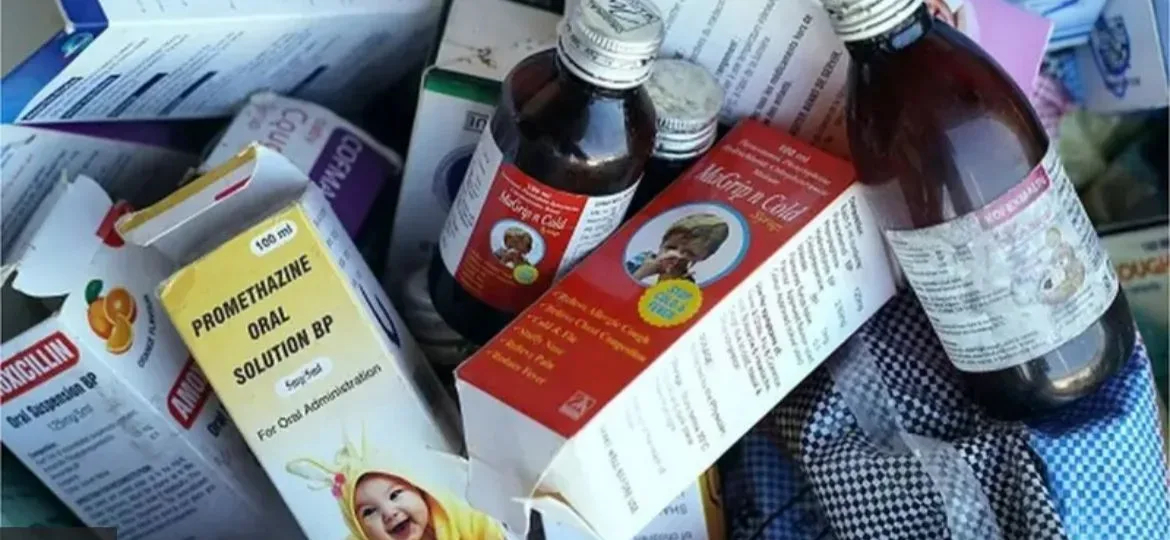


Snake bite envenomation remains one of the leading causes of preventable deaths and disease in India. Despite its inclusion in the list of Neglected Tropical Diseases, 9 years back it remains neglected. The treatments available and the emergency response systems to access them are just not good enough. In this conversation with Dr Sayantan Banerjee, we discuss the potential for rapid improvement with regard to preventing bites, for timely access to the emergency, for rapid development of new promising technologies that could be lifesaving for thousands of snake-bite victims. And we learn from of the many countries where much progress has been made…
Prof. T. Sundararaman
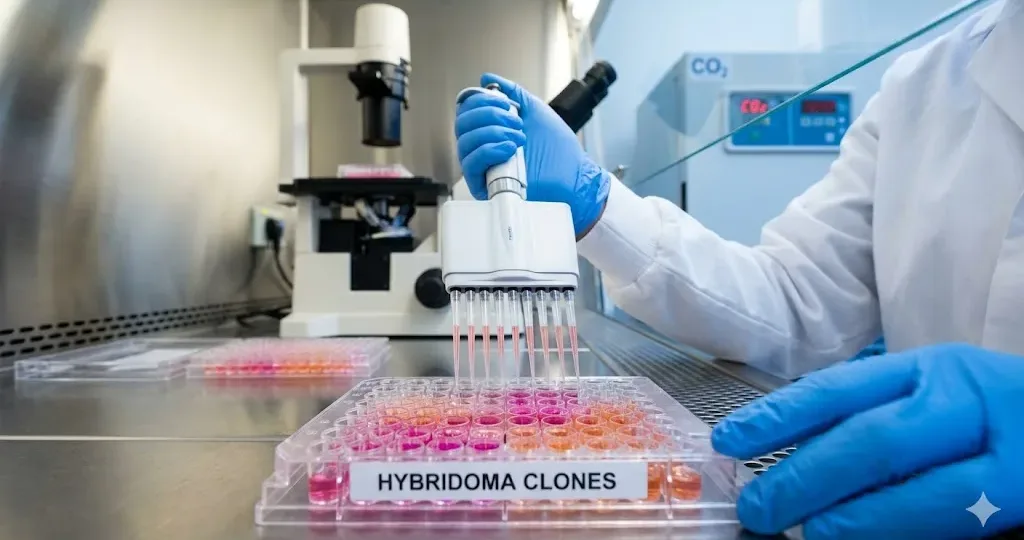
In contrast to most medicines which are small molecule drugs, biologics are a class of medicines that are complex proteins produced within living cells. Many newer medicines being developed, especially against cancers and immune disorders are biologics . Unfortunately, all biologics are enormously expensive. And though India has led the world in making low-cost generic available for chemical pharmaceuticals, when it comes to biosimilars, which is the generic version of a biologic, we are struggling to make the transition. In this conversation three experts in this domain discuss why this need not be so. In Part I, of this conversation, the discussion is on biosimilars. In Part II we shall introduce the challenges associated with new biologics innovation and access.
When policy talks of shifting from selective to comprehensive primary care, it is largely referring to a few non-communicable diseases (NCDs). But the earlier package of selective primary care was restricted to less than one fifth of all infections. That package never did address the majority of fevers, and even now the transition to comprehensive primary health care, under the Ayushman Bharat’s Health and Wellness Centres (AB_HWCs) underplays this. In this conversation, we discuss the persisting problem of undifferentiated fevers that primary care providers face and talk about how health systems should be strengthened to close this gap.
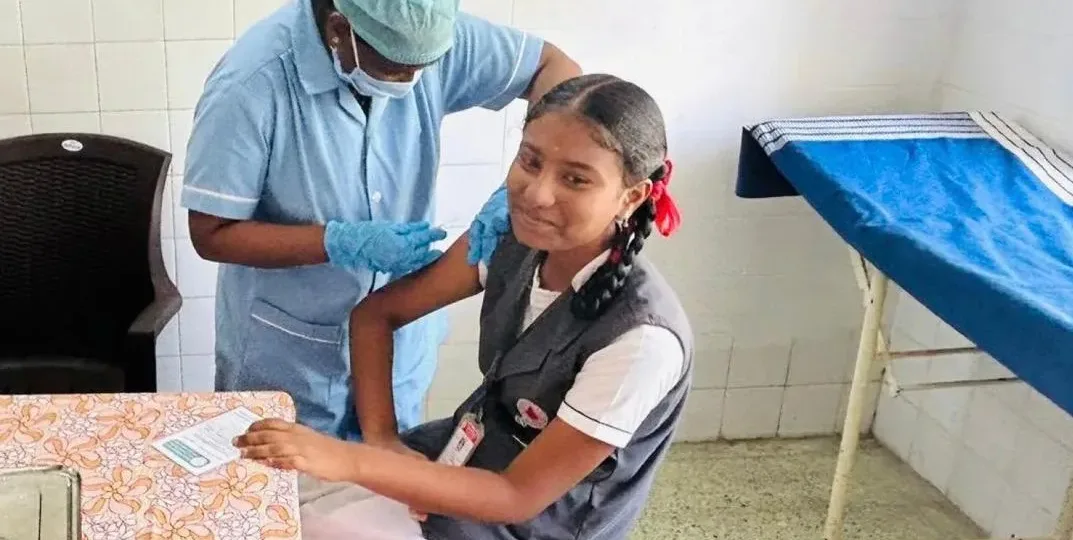
This conversation explores the many dimensions of public health decision making with respect to the recently announced national programme for HPV vaccination for all girls at the age of 14.
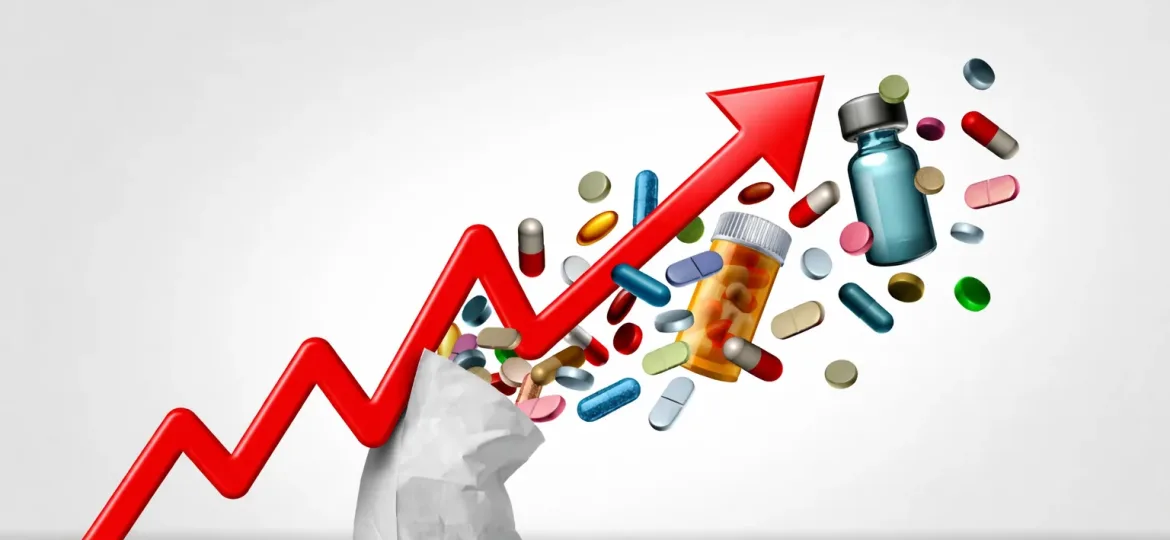
As the population ages and almost every household has persons requiring daily medication for chronic illness, the rising price of medicines has become one of the biggest financial burdens for the majority of the population. In this conversation we examine and reflect on the existing policy framework with regard to providing affordable access to medicines.. and what govts need to do better, much better.
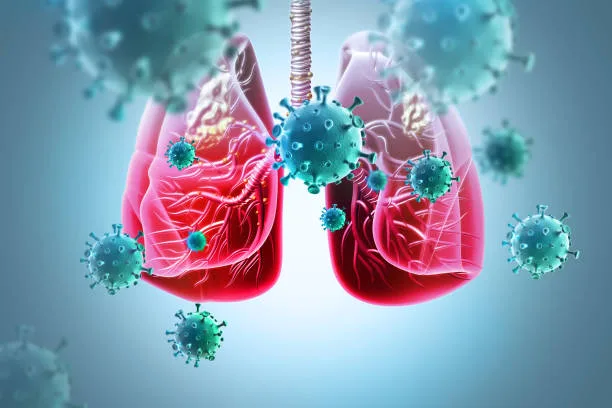
To no one’s surprise India did not achieve its own targets for ending tuberculosis by year 2025. But did such an aspirational target even help accelerate progress? In this conversation a sober review of the modest pace of progress highlights the need to re-think many of the strategies deployed. While technology may help, there is no short-cut to the core principles of tuberculosis control- action on social determinants and better, less selective and more comprehensive primary health care.
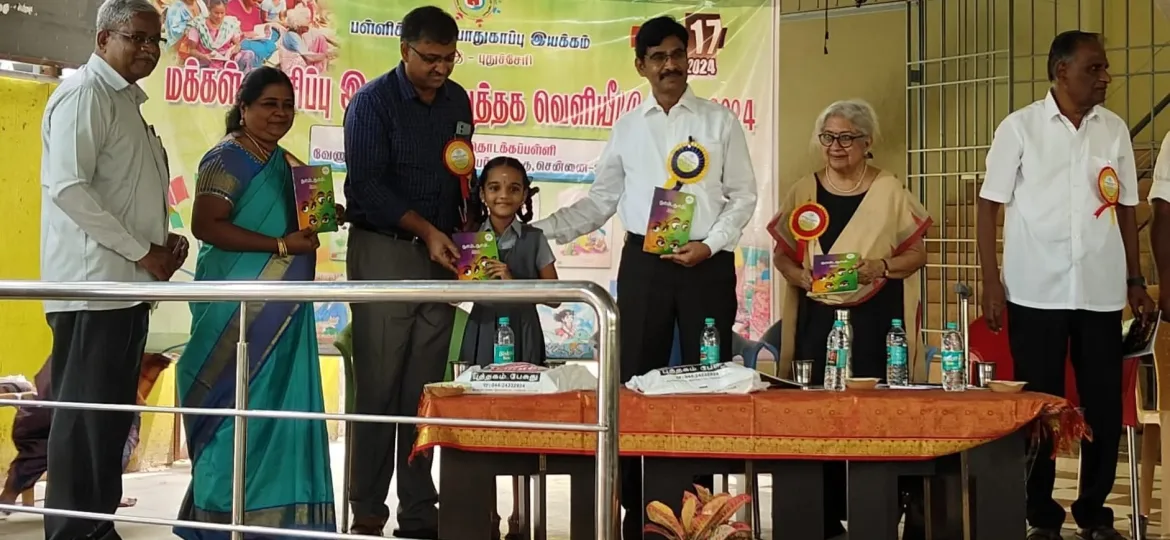
The right to education is under threat as government schools face problems due to under-funding, poor morale and passive privatisation. However as we see from this conversation there is much that civil society can do to resist and reverse these trends. The experience of the Save School Education Movement in Tamil Nadu ( called the PKPI) has important lessons for those working to strengthen public health services and indeed all public services.
Public Health Acts enforced by a cadre of public health officers , are one of the more effective approaches to addressing the social determinants of health and ensuring the Right-to -Health, as different from only the right-to health care. Surprising then that there has been so little reviews or research or conversation in either civil society, academics or public administration on this invaluable long-standing experience of the Tamil Nadu Public Health Act. And this is worrying because this remarkable institution is in danger of getting undermined and lost even before its immense value to society is recognised. In this 27th conversation of our series we take you through an understanding of what we know of this law, the great potential it has, its weaknesses and the threats it is facing.
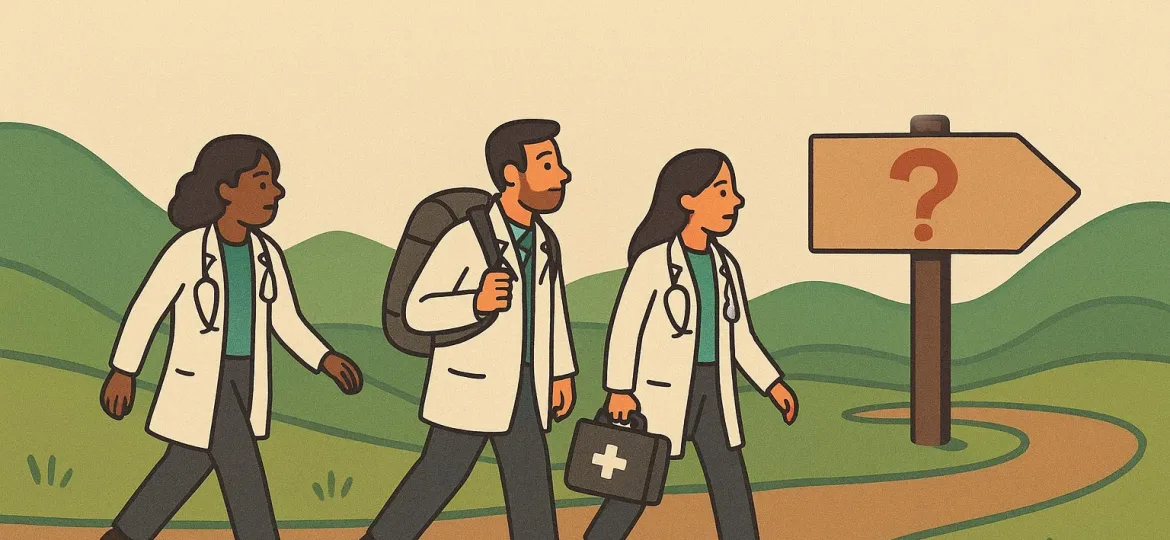
The number of Indian students going abroad to complete medical studies and then returning to India has now become a flood. Almost one in three of Indias medical graduates are FMGs- foreign medical graduates! About 27,000 every year! But few know of the full story of the tortuous journey they undertake and the uncertain future they face. Why is this so? For both protecting their interests and that of public health; policy makers need to act!!